First UK symposium for costume technicians and designers
Workshops 2026
Days 2 and 3 (Saturday 19 and Sunday 20 September)
There will be seven workshops, each taking place over two days, Saturday 19 and Sunday 20 September. Workshop participants should attend both days. Participants will take part in one workshop and should state their first, second and third choices on the registration form. We will do our best to place you in your first choice but this may not be possible for everyone if some workshops are oversubscribed.
Information about what participants should bring with them, e.g. sewing kit, will be sent closer to the symposium dates.
Workshop sessions with a tutor will take place from 9.00am to 5.30pm, and participants will be be able to experiment with materials.
Click on a workshop name below to read more about it.
Kunza is a corset designer and maker who is based in London and specialises in modern and historical corsetry. Her work has been showcased in the Victoria & Albert Museum and in period dramas such as Bridgerton, Downton Abbey, Emma, Pride and Prejudice and The Duchess, amongst many others.
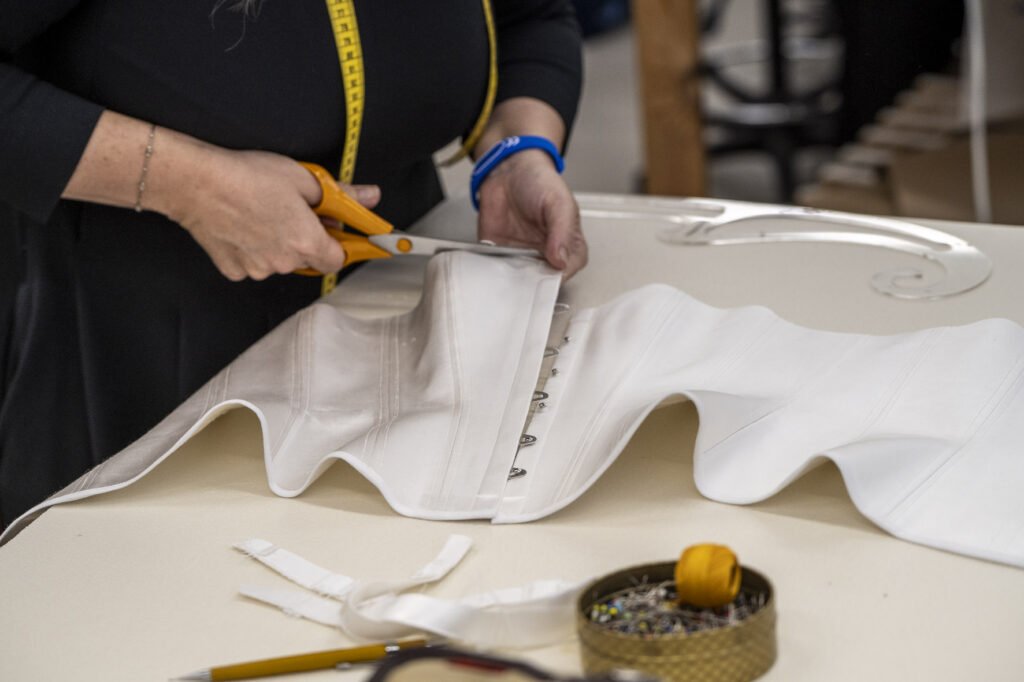
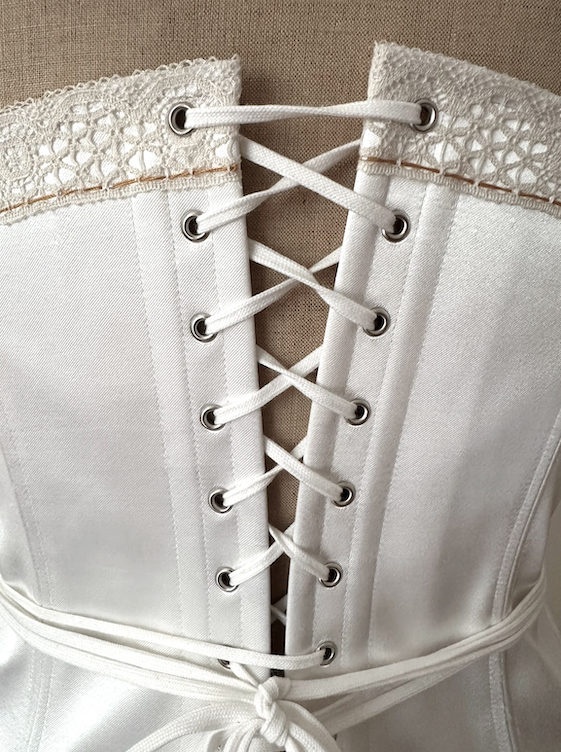
This corset workshop will give an introduction to the history, design and making of historical corsets for stage, TV and film. Examples of corsets from different times in history (including some antique corsetry and boning such as whale bones, metal and plastic) will be on display to explore together in the classroom. How corsetry/stays created the desired silhouettes in fashion history and costume will be looked at.
The focus this year will be on Victorian/Edwardian corsets. Each participant will have the choice to sew a classic Victorian or Edwardian corset style for film or stage. A pattern will be provided that can be slightly adjusted, with help from the tutor. Participants will then cut the fabrics and start sewing the corsets, using the sewing machines provided. They will learn: – what fabrics work best – what stitching to use – what corset boning to choose – how to insert/attach the corset boning – how to secure the boning and finish the corset – how to insert eyelets – the best way to lace a corset. If time allows participants will be encouraged to decorate their corsets with laces, ribbons and embellishment techniques such as corset flossing.
When registering, participants will be asked which corset style they would like to make, Victorian or Edwardian, and their size/measurements.
Lucy Sturley has worked as a miniature costume maker within the stop motion animation and live
action puppet industry for over 20 years. During her career Lucy has worked for animation studios
such as Cosgrove Hall films, Factory create and Mackinnion and Saunders, working on the
costumes for Postman Pat, Fifi and the Flowertots, Roary the Racing Car, The Clangers,
Frankenweenie, The Furchester Hotel and Norman Picklestripes. More recently she has worked on
The House and Pinocchio for Netflix, The Mixmups for channel 5 and Wednesday season 2 for
Netflix.
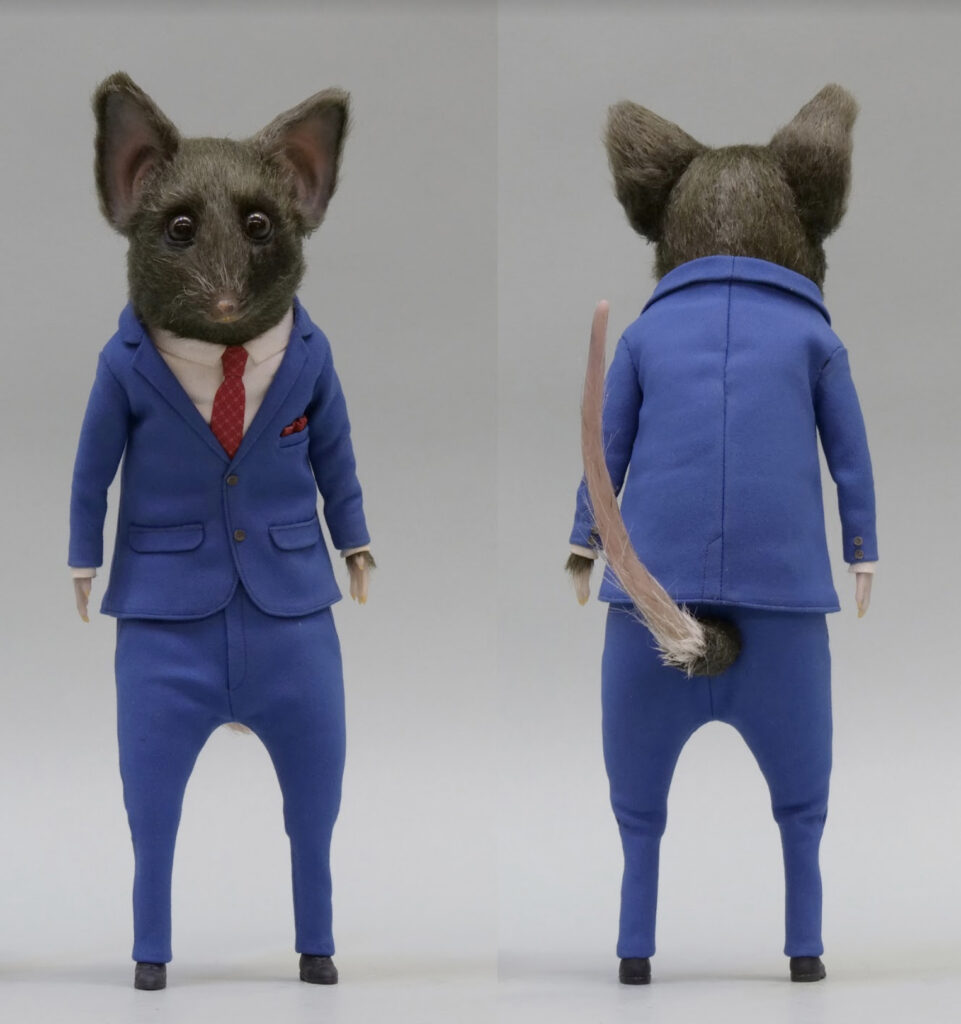
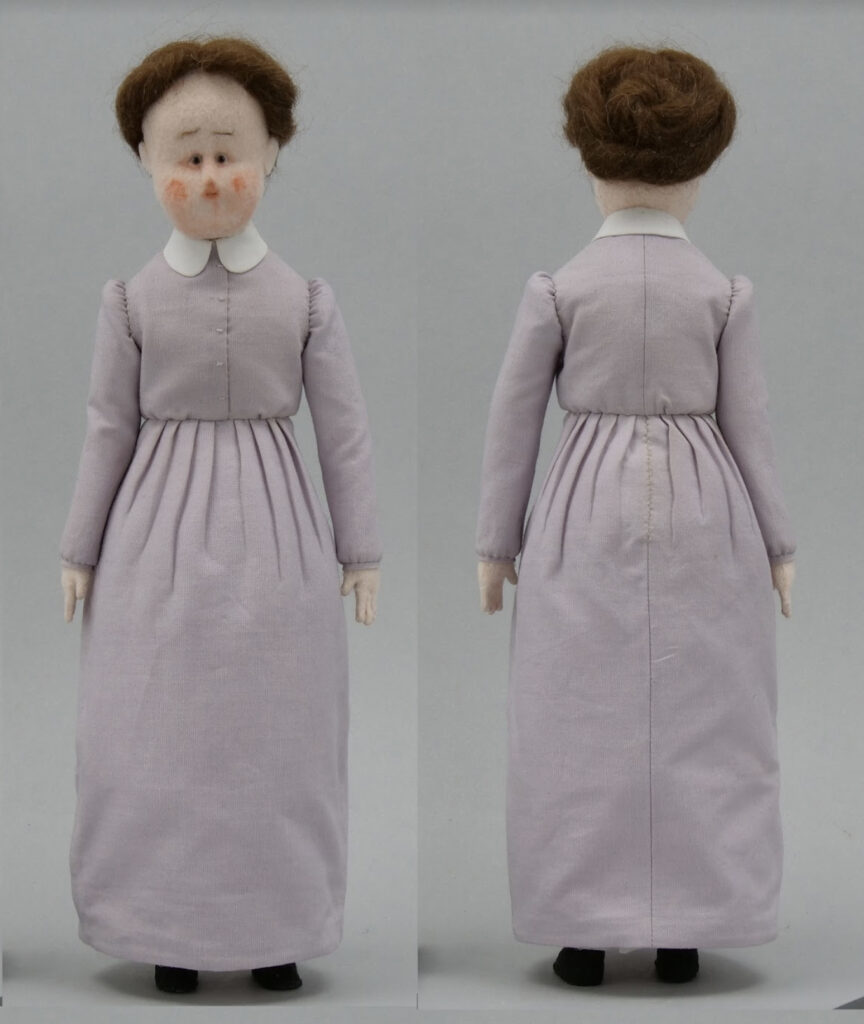
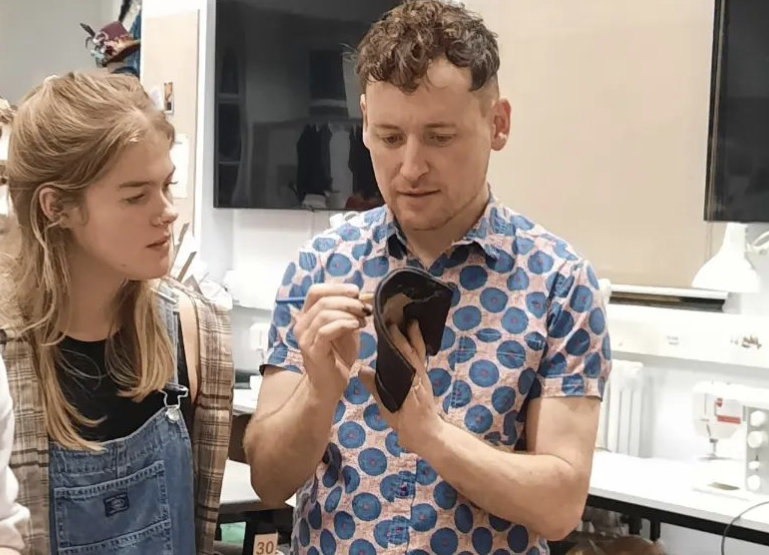
Participants will learn miniature costume making techniques as we scale everything down to
produce a tiny garment fit for a stop motion animation puppet. During the two day workshop you will be provided with a simple pattern and all materials needed to make a miniature costume and I will help you to incorporate all of the tiny details and techniques to produce a miniature garment finished to to a professional animation standard.
Naomi Isaacs trained in Costume Interpretation at Wimbledon College of Arts. After graduating she worked in costume cut and construction for The Royal Shakespeare Company, Glyndebourne Opera, Welsh National Opera, and Cosprop. A freelance career in London includes working on theatre productions, ballet, opera and musical shows. Theatre work includes National Theatre, Donmar, Almeida. Dance includes Matthew Bourne Company, Royal Ballet. Musical shows include My Fair Lady, Chitty Chitty Bang Bang, Phantom of the Opera, Wicked and Frozen.
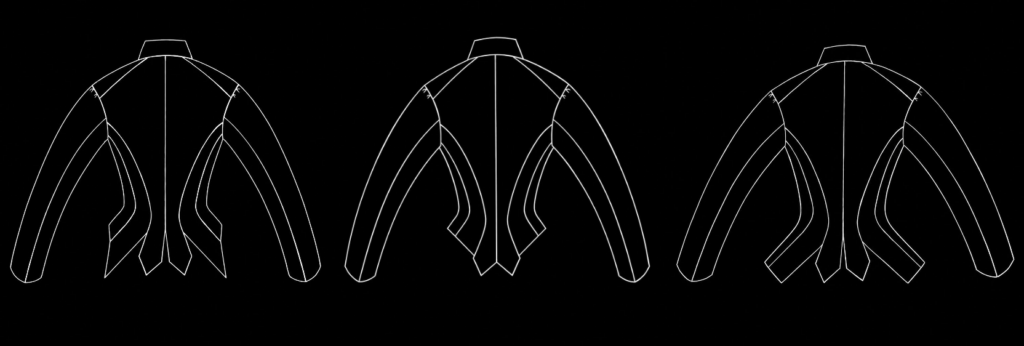
In this workshop Naomi will demonstrate the method she uses to cut an 1880s day bodice/ jacket using calico on a stand, referring to the Janet Arnold, Patterns of Fashion 2, 1887-9 day dress on page 38, and Norah Waugh, Cut of Women’s Clothes 1885 The Ladies Taylor page 204, for historical reference. This is the method Naomi uses for all her cutting regardless of date, and is all about identifying the period features in the cut of a garment to give as near an authentic look as possible to historical garments. Participants will practise the method she has demonstrated and will finish with a calico pattern ready to use to cut a garment. These patterns will be made a fit a stand and Naomi will talk about adjusting for individual measurements. The aim is to give an understanding of the cutting method and an eye for reading period features.
Dyeing and Enhancement
Workshop tutor: Enda Kenny
Enda Kenny is a prop costume maker, textile artist, leather worker and milliner for theatre, TV and film. He also teaches leathercraft, works as a visiting lecturer for costume at UAL Wimbledon and Nottingham Trent University and is an award-winning costume designer for theatre (Irish Times Theatre Award for Best Costume 2020).
Enda has worked as HoD in costume breakdown departments on films and TV shows such as The Northman, Game of Thrones Season 1,2 and 6, The Frankenstein Chronicles season 1, Halo-Nightfall, and Your Highness. Other credits include How to Train Your Dragon (live action), Dungeons and Dragons, Krypton S2, His Dark Materials, Outlander S4, The Golden Compass, City of Ember, The Wolfman, Your Highness, Pirates of the Carribbean 2, King Arthur and Ella Enchanted. He has created work for many UK-based theatres including ENO, NI Opera, ROH Covent Garden, National Theatre London, Sadlers Wells and the Lyceum Theatre London to name a few. Other theatre credits include shows at the Abbey Dublin; Lyric Belfast; Opera du Montpellier; Opera NI and Teatro Nacional de Sao Carlos, Lisbon.
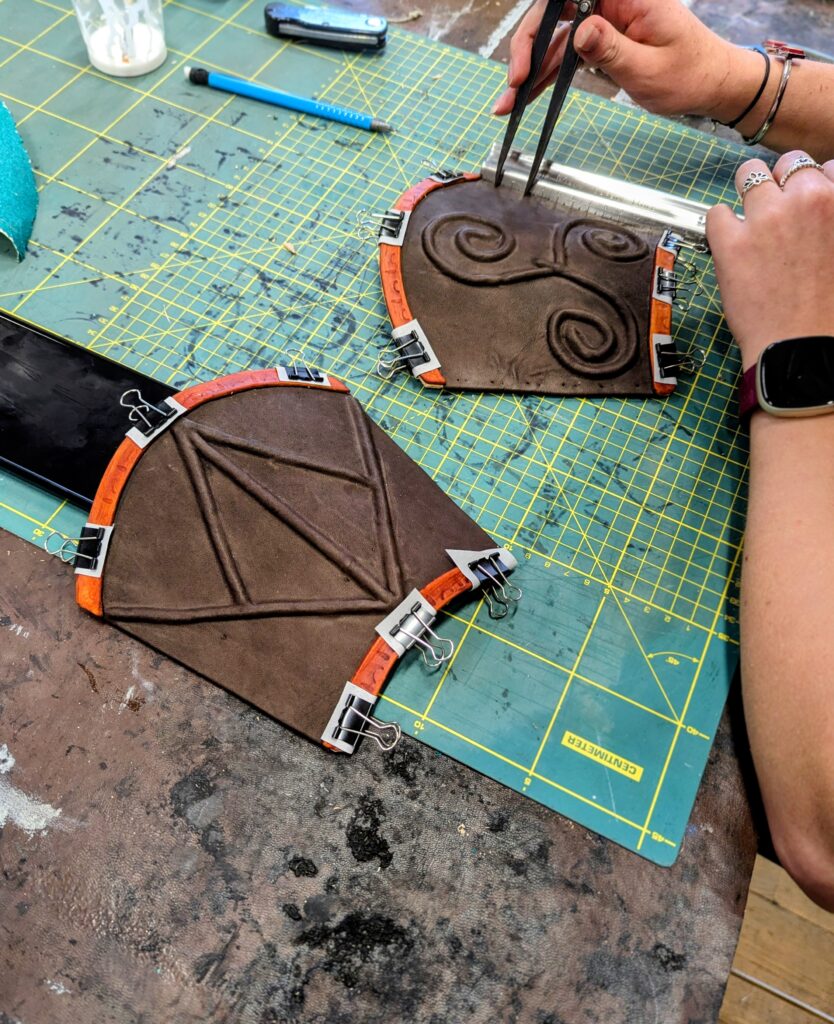
The two-day workshop will see students make a pair of leather vambraces (a piece of armour for the arm, especially the forearm) using vegetable tanned leather, exploring surface decoration, dyeing and finishing on leather. Participants will also look at general costume breakdown including dry brushing, material abrasion/softening, air brushing, fabric manipulation and on set breakdown techniques.
Embroidery Embellishment
Workshop tutor: Michele Carragher
Michele Carragher is a London based author and mixed media artist who utilises the hand embroidered medium in her work. After attending the London College of Fashion where she studied fashion design, Michele worked in textile conservation, which has proven invaluable to her embroidery work on costumes for film and TV. She has worked in costume for over 25 years, initially as a general costume assistant until she drifted towards the embroidery and embellishment of costumes. Her first role as principal costume embroiderer was on the HBO/C4 miniseries Elizabeth I starring Dame Helen Mirren.
Michele has created hand embroidery, embellishment or textile art for various productions such as Assassin’s Creed, Peaky Blinders, The Crown (season 1), The Secret Garden (film 2020), Game of Thrones, House of the Dragon and Lord of the Rings – The Rings of Power S2. Alongside her film work, in 2021 Michele published her first book entitled Trace, showcasing her artwork celebrating the embroidered medium.
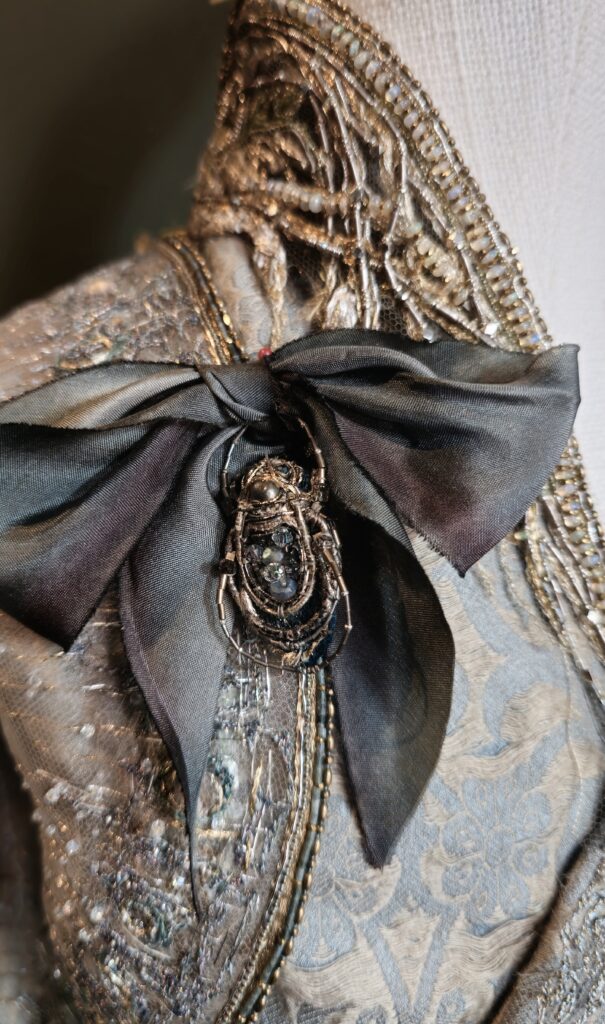
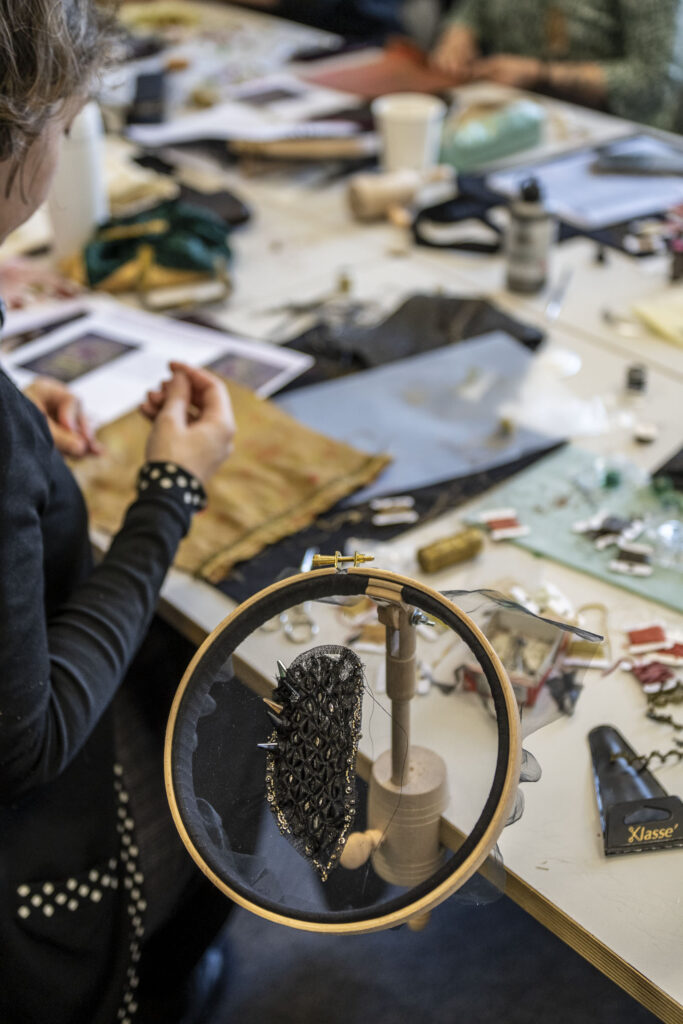
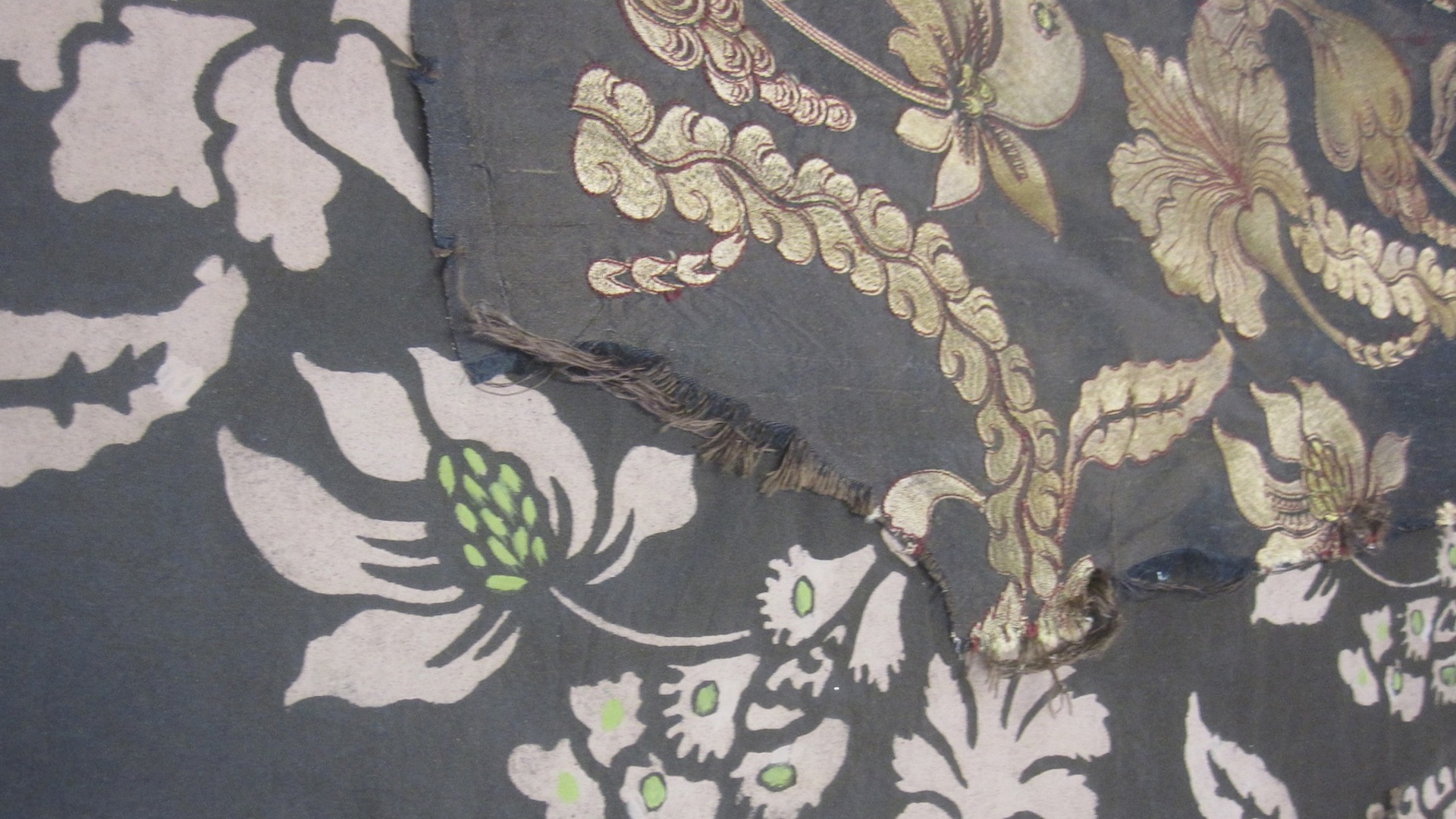
For this year’s workshop we will look at different styles of embroidery to suit specific characters, textural and figurative as well as a jewellery type piece that came about through collaboration with others within the costume team, highlighting the importance of working together on a project and being aware of the skills of other team members who can assist you in aspects of your design process.
Millinery
Workshop tutor: Sean Barrett
Sean trained in theatre design at Wimbledon School of Arts and after graduating pursued a career in millinery, working on many film, television and theatre productions. Film highlights have included Elizaneth and Elizabeth the Golden Age, Shakespeare in Love, Interview with a Vampire, Alice, Through the Looking Glass, Cheri, Anna Karenina, Barbie the Movie and Nosferatu. Television work includes The Crown, Downton Abbey, Gentleman Jack and the upcoming Disney series The Adventures of Renegade Nell. Theatre work includes Wicked, My Fair Lady, Chitty Bang Bang, Follies and Moulin Rouge. Recent productions are Wednesday (Netflix), Wuthering Heights (film) and My Fair Lady (Det Ny Teatre Copenhagen).
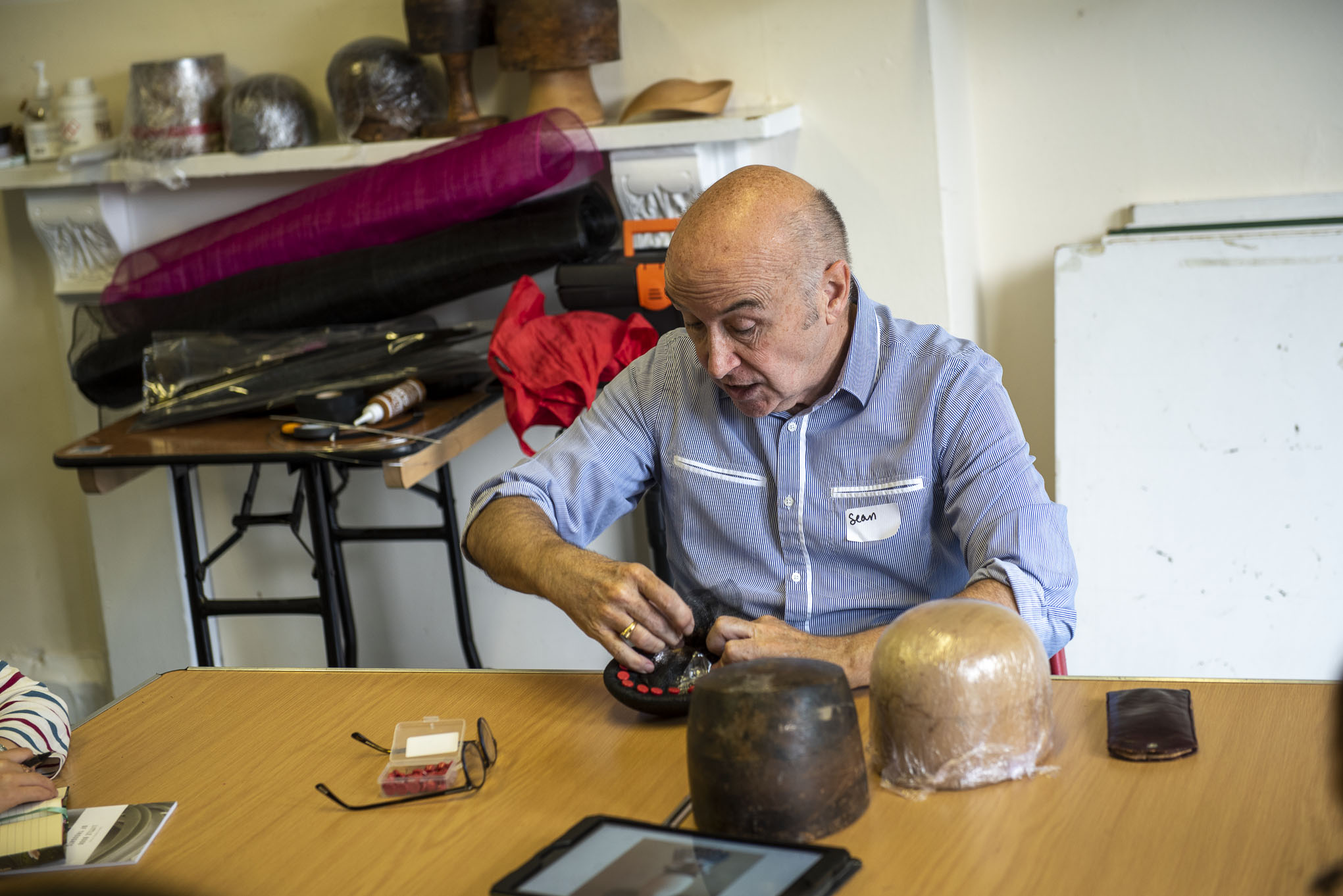
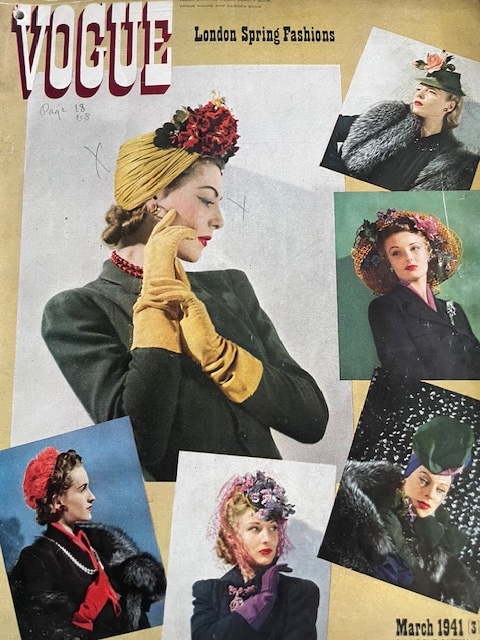
Over our two days together we will be making a 1940s style hat from mixed materials. We will be blocking a foundation in Fosshape and covering it in a fabric chosen from a selection provided. The hat can be trimmed in a variety of styles and can include a straw brim. A range of trimmings will be supplied but if you have something that you would like to use please feel free to bring it along. I am thinking of Black/Red/Ivory colour scheme just to bring a sense of order to the project.
A basic sewing kit will be required: scissors – fabric, rough and small; needles; pins; sewing thread; tape measure and a thimble if you use one.
Women's Period Tailoring
Workshop tutor: Gillian Carew
Having moved to London in 1997, Gillian secured a position in the Men’s Tailoring department as an apprentice at Angel’s Costumiers. Progressing to head tailor and on to head cutter, she gained an enormous amount of invaluable experience working on a wide variety of costumes for film, TV and theatre. In 2010, she moved to Dublin and set up as a freelance cutter and tailor, continuing her work in the costume industry in Ireland. Alongside this she holds a half-time costume technical lecturer post at the Institute of Art Design and Technology.
Since the late seventeenth century, women have turned to the waistcoat for particular occasions. It found its place in the design of riding habits and was often worn for added warmth, frequently as an undergarment. The tailored suits of the 1880s and 1890s typically paired a waistcoat with the blouse, jacket and skirt, and even today the waistcoat is woven into many skirt and trouser ensembles.
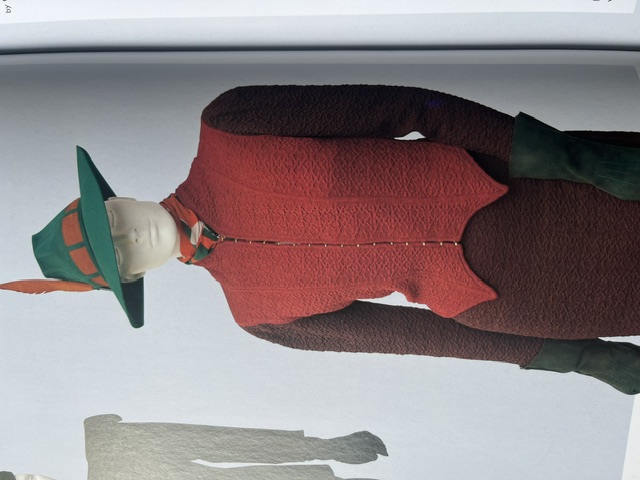
In this workshop, we’ll set out to make a close-fitted ladies’ waistcoat, taking the 1940s as our reference point. It’s a shape that lends itself beautifully to adaptation, easily reworked to suit a range of period styles.
Over the course of the two days, we’ll talk through structure, fit and finish. With a good dose of curiosity along the way, it promises to be an engaging exploration of the ladies’ waistcoat.